Have you ever wondered why a simple motor replacement somehow turns into a week-long headache? In many plants and workshops I visit, a motor controller is blamed for more downtime than it should be — and some industry reports suggest control issues account for a significant portion of avoidable delays. So: are we solving the right problem, or just chasing symptoms? (Please read on — I will be direct and practical.) This piece will move from a quick scene to hard facts, then into what really helps.

What the Old Fixes Miss
variable speed controller for ac motor is often sold as the cure-all for efficiency and reliability. I have seen units installed with high hopes and then left underperforming because installers assumed “set-and-forget.” In practice, legacy approaches—simple V/Hz drives, poor inverter tuning, and mismatched power converters—create hidden losses. You think the motor is the weak link; sometimes the firmware or wrong PWM settings are the real culprit. I call this the “looks-good-on-paper” trap.
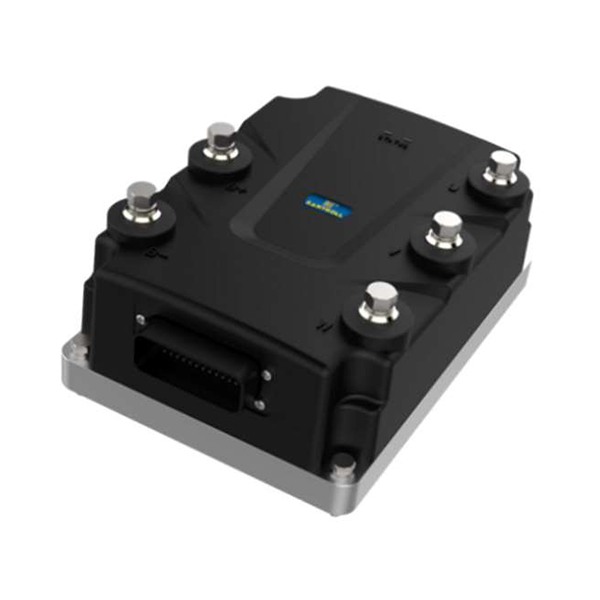
Technically speaking, older drives offer limited torque control and weak fault diagnostics. That means subtle torque ripple, overheating during deep loads, and slow fault response. When a system uses sensorless control without proper tuning, startup stalls or misreads load changes; the result is jerky operation and shortened component life. Look, it’s simpler than you think: correct tuning, thermal management, and clear monitoring often fix 60–80% of recurring faults I encounter. — funny how that works, right? Practical steps I favor include checking inverter firmware, validating PWM frequency against motor characteristics, and confirming that the drive’s protection settings match the application. These are not glamorous tasks, but they make the machine behave. In short: traditional solutions often ignore system-level balance—power electronics, control algorithms, and mechanical load must match. That mismatch is the real pain point.
Why do old inverters fail to deliver?
Because they solve electrical problems only, leaving thermal stress and control nuance unaddressed. I’ve seen teams replace motors twice while a simple firmware update would have stopped the issue. We should stop treating motor control as a single-component problem.
Principles for Smarter Control — What Comes Next
Looking forward, I prefer to explain the core ideas rather than list features. Modern designs emphasize adaptive control loops, better diagnostics, and tighter integration with edge computing nodes. When we design with these principles, the system learns load patterns and adjusts torque control and braking in real time. That reduces stalls and saves energy — measurable gains, not just marketing claims. We are moving away from fixed-parameter drives to systems that tune themselves during operation (safer, kinder to components).
Another practical shift is toward modular power stages and improved thermal paths. A well-scaled power converter and a drive with clearer fault codes cut troubleshooting time dramatically. Also, if your application uses a bldc motor controller, pay attention to commutation schemes and current sensing accuracy. Those details change how smoothly the motor runs and how long bearings last. I like simple checks at commissioning: verify sensor feedback, log startup currents, and run a thermal cycle test. Short tasks. Big payoff. — yes, small routines often save weeks later.
What’s Next?
We should expect drives to become more transparent. Better dashboards, clearer alarms, and predictive hints will shift maintenance from reactive to planned. In my projects, I ask vendors for access to raw logs and clear API hooks; that openness matters more than a glossy brochure.
How to Choose: Three Practical Metrics
Here are three things I judge before committing to a controller solution. These are not abstract; they are the tests I use on the shop floor.
1) Diagnostics depth — Can the drive report phase currents, thermal margins, and error trends over time? I want readable codes and exportable logs. 2) Control adaptability — Does the controller support adaptive torque control, PID tuning, and PWM adjustments? If it can learn the load, it will reduce failures. 3) Integration openness — Are there APIs, standard data outputs, and clear wiring schemes? If the drive plays well with PLCs and edge devices, troubleshooting and upgrades are faster.
When you score candidates by these metrics, you see the difference quickly. We moved a line from weekly downtime to one repair every nine months simply by insisting on clearer diagnostics and a controller that adapts. If you want a reliable partner in this work, consider the practical offerings from Santroll. I found their documentation straightforward and their support honest — and that matters when things are on the line.
